About our Habitats
Our habitats range from woodlands and grasslands to uplands and wetlands, each supporting wildlife, storing carbon and shaping the Park’s landscapes.
Habitats of Bannau Brycheiniog
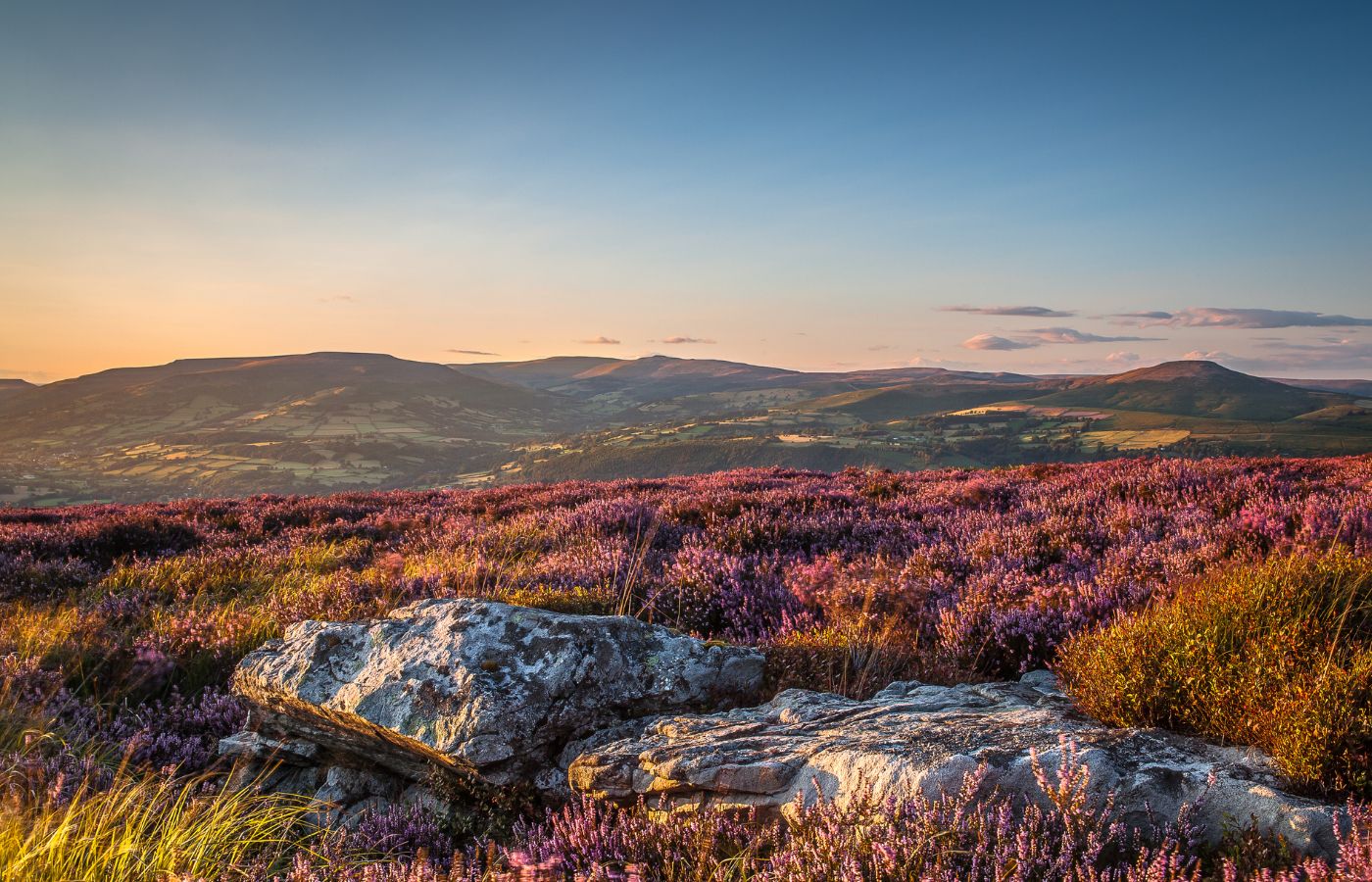
The ecosystems within Bannau Brycheiniog are rich and diverse , from the rolling hills of the Black Mountains in the east to the rugged landscape of the Black Mountain to the west. A mosaic of nature that allows life to thrive, the biodiversity of the Bannau Brycheiniog National Park is a tremendous natural asset offering multiple benefits, supporting farming, forestry, tourism and businesses whilst supporting our very livelihoods. Our National Park is a semi-natural, cultural landscape. It has been moulded by nature but influenced by mankind’s management of the land over thousands of years.
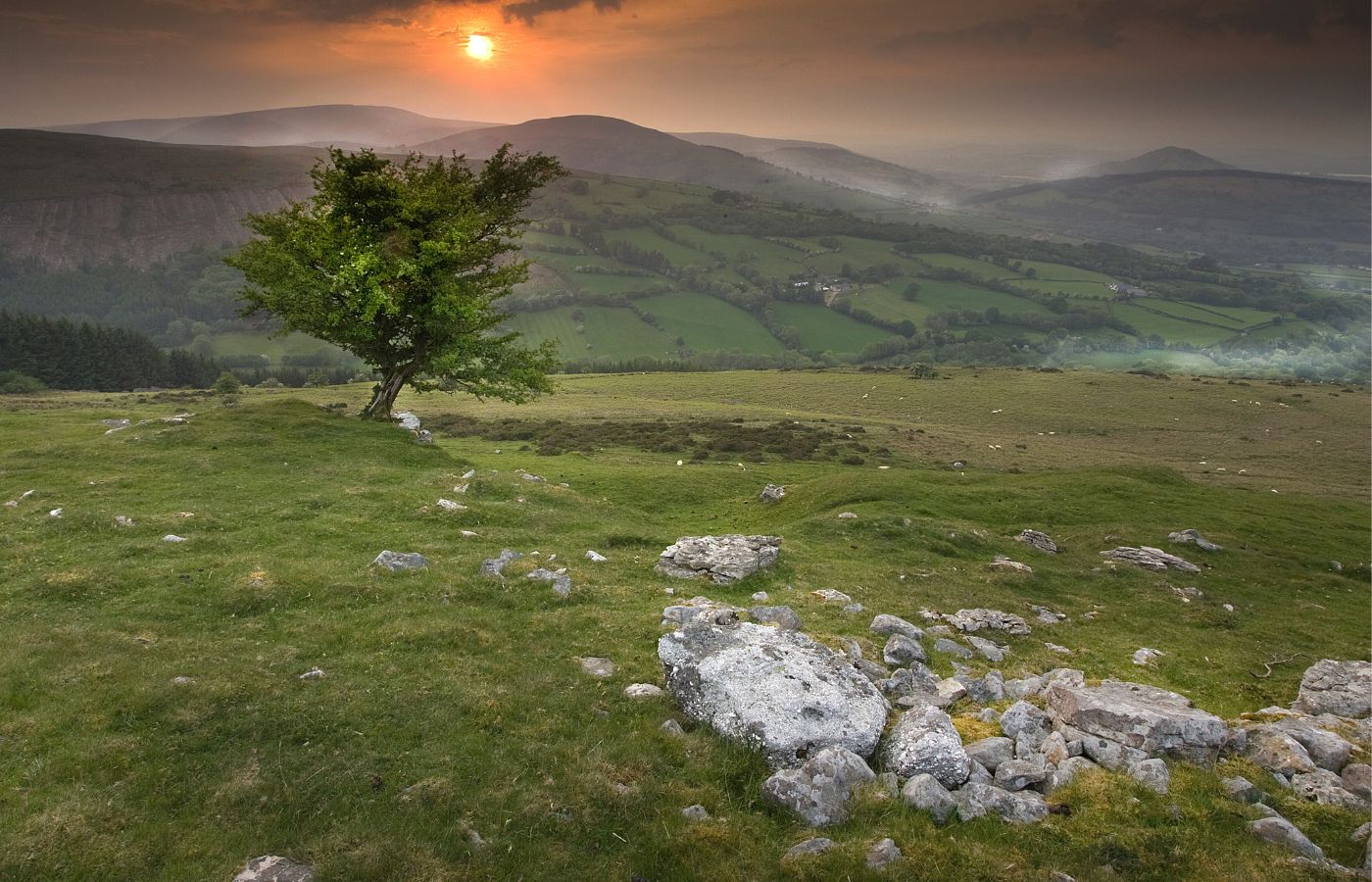
Woodlands
Woodlands create a naturally shady and humid habitat, with plenty of cover and food available making them important for many species. As our most widespread natural habitat, many native species are dependent on woodlands for at least part of the year.
Learn more about our woodlands
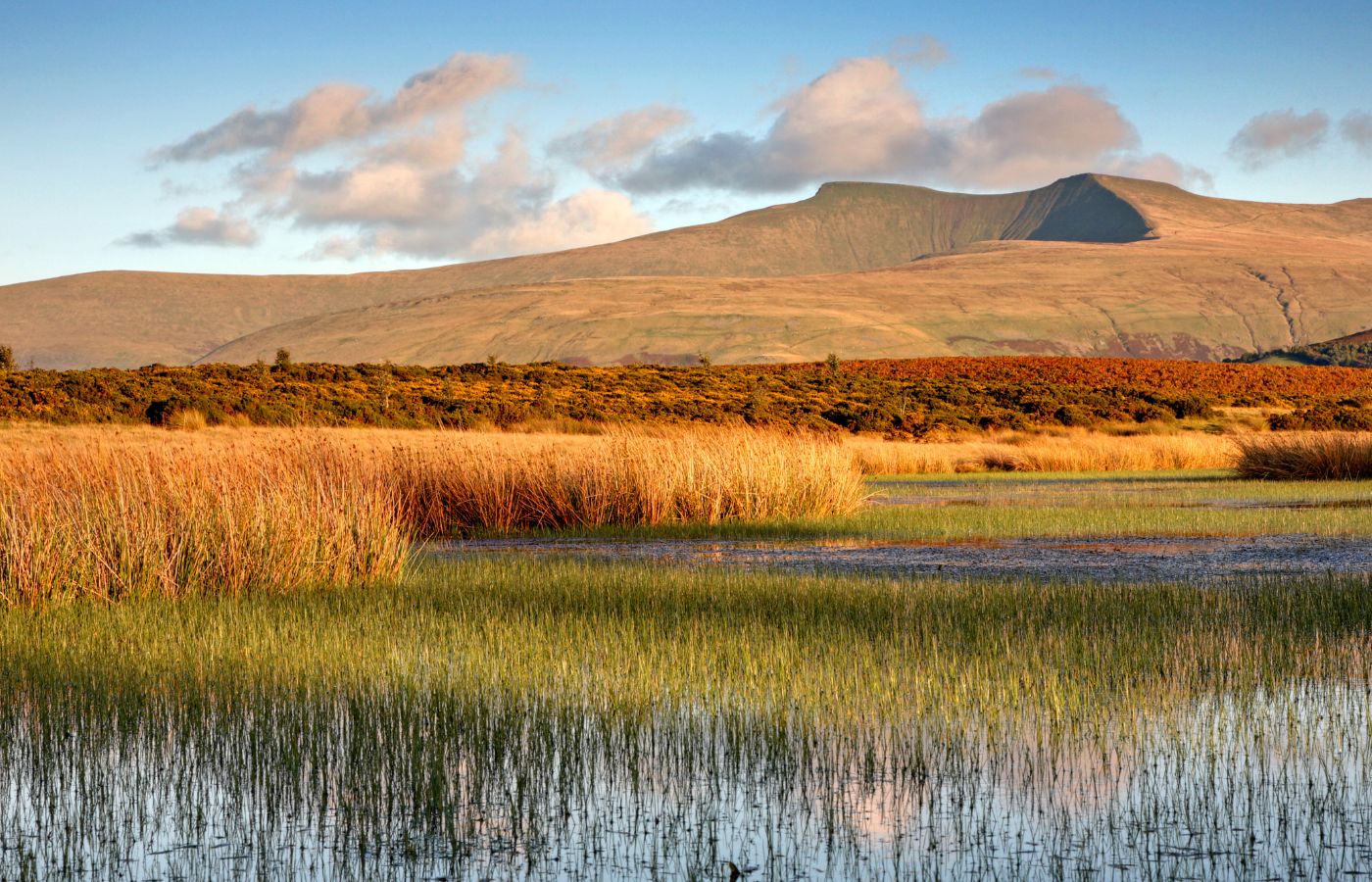
Grasslands
Grasslands are an integral part of our landscape. From helping grow the food that feeds, to helping ground nesting birds and pollinators survive, to even helping store large amounts of carbon Bannau Brycheiniog Grasslands are a diverse habitat that support a myriad of wildlife.
Learn more about our grasslands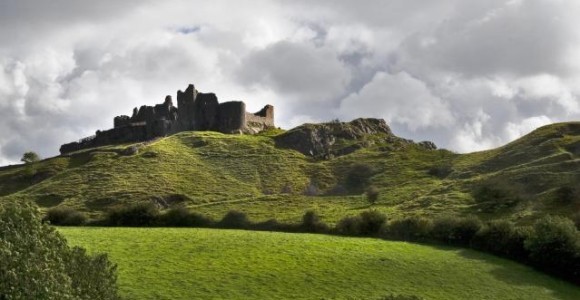
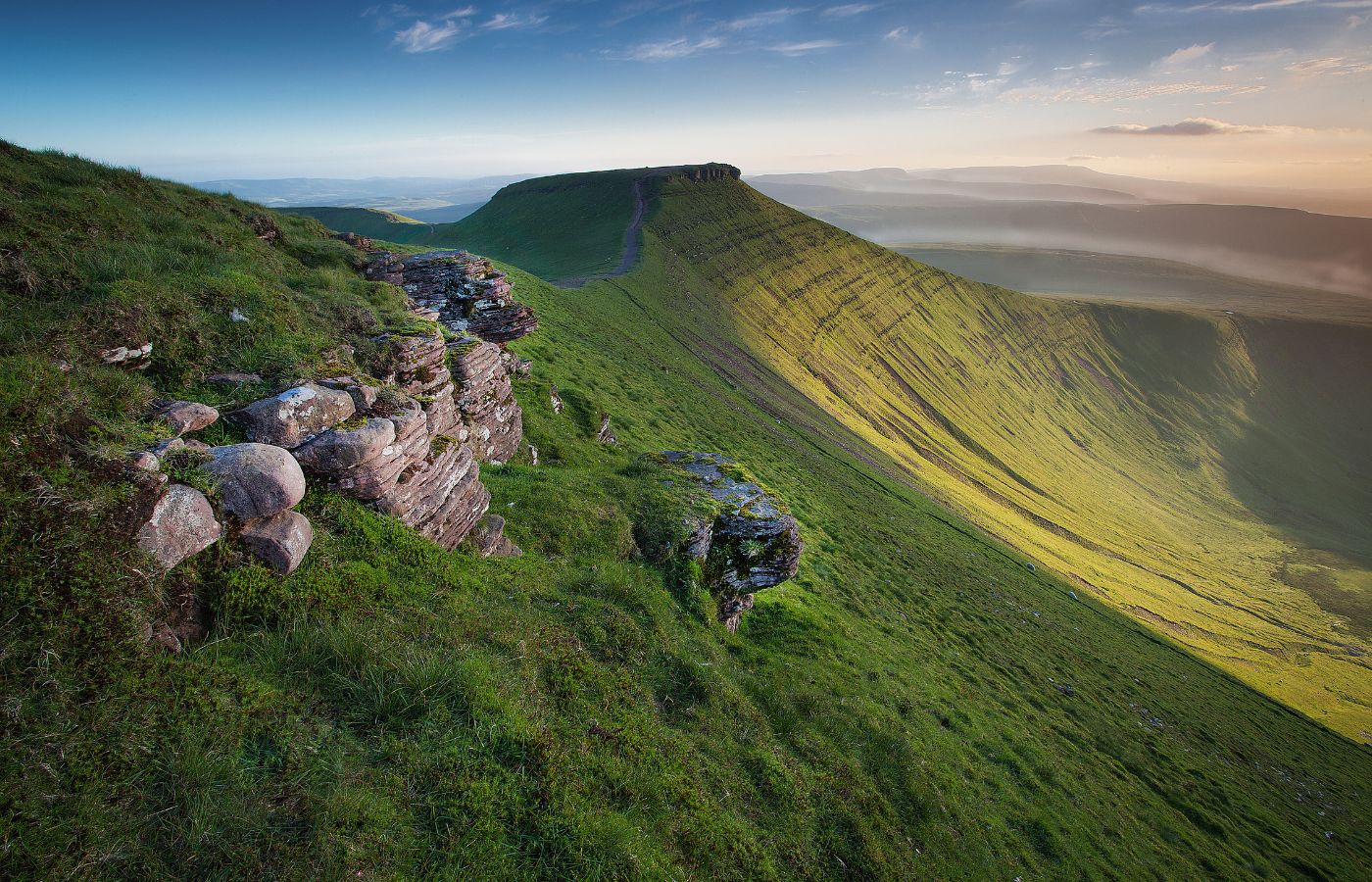
Uplands
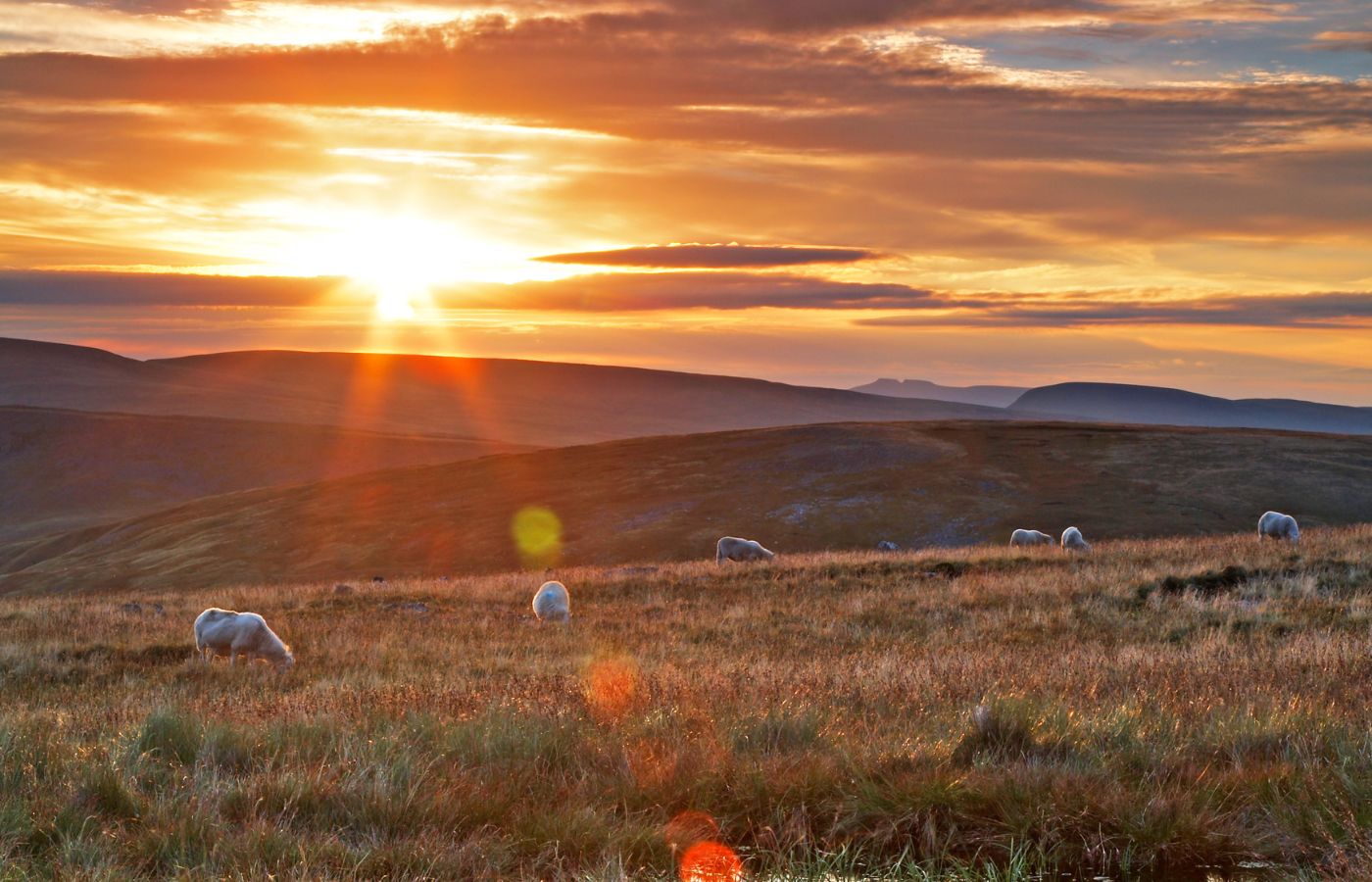
Distinctive peaks like Pen-Y-Fan, to the wild rolling landscape of the Black Mountain, Bannau Brycheiniog National Park is XX percent upland habitat. Playing an important role for freshwater distribution in South Wales, our uplands are the wildest of our national park habitats.
Learn more about our uplands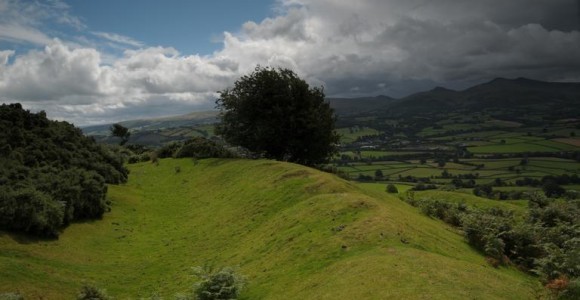
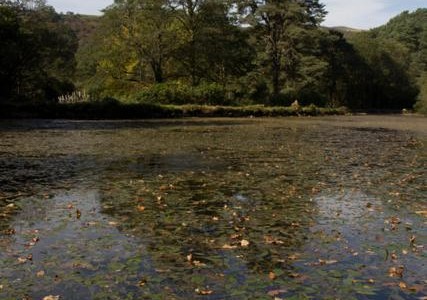
Wetlands
Rivers, Streams, Lakes, Reservoirs, and more, wetlands are hubs of rich and diverse flora and fauna. The wetlands of the national park support thousands of species.
Learn more about our wetlands