
Grasslands
Grasslands cover much of the Park, supporting wildflowers, wildlife and farming traditions that have shaped the landscape for centuries.
A habitat shaped by people and nature
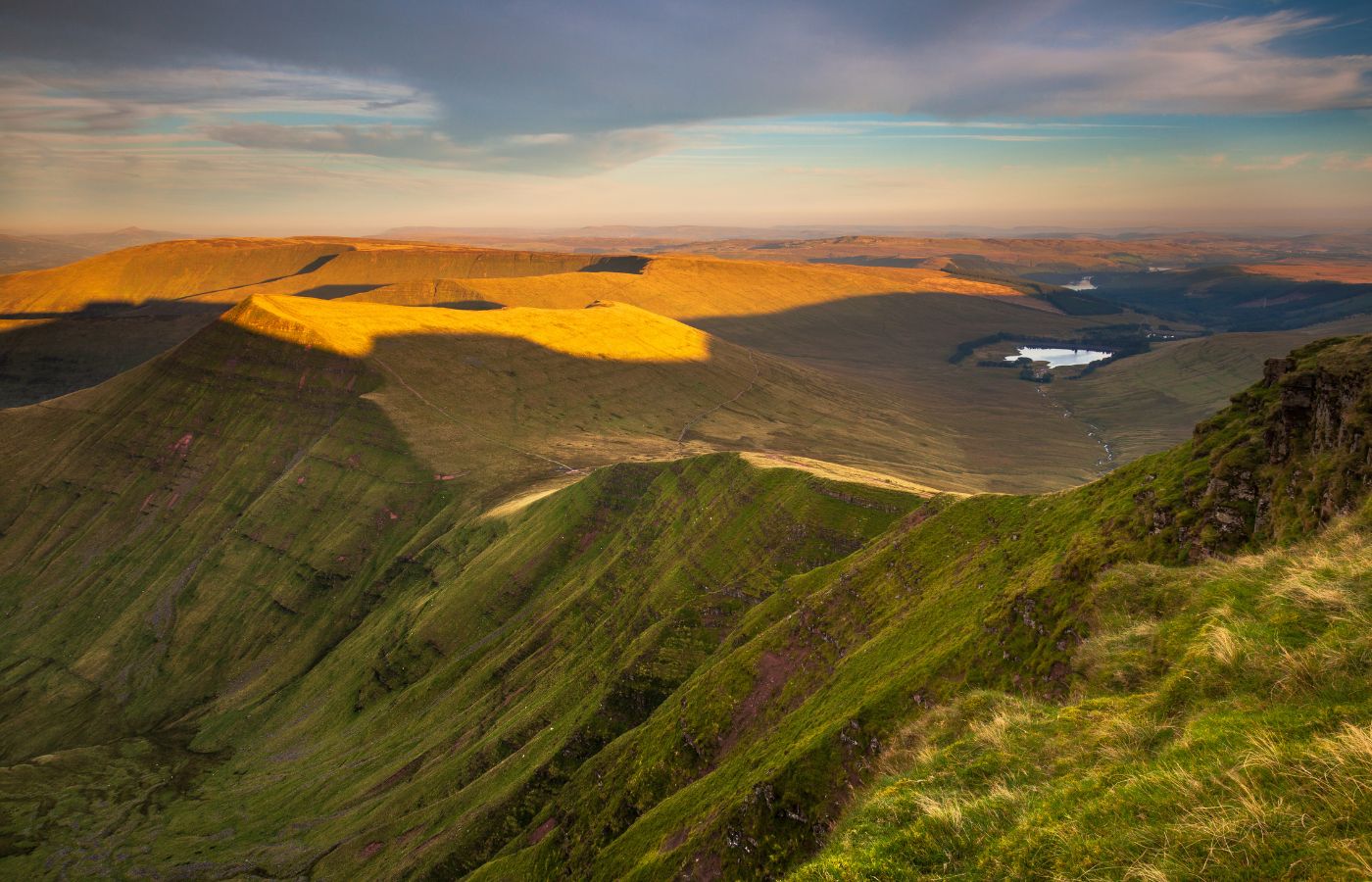
Grasslands are one of the defining features of Bannau Brycheiniog, stretching across hillsides, meadows and commons. These open landscapes are rich in wildflowers, provide vital space for pollinators, and support grazing that has shaped the Park for centuries. They are both natural and cultural, reflecting the close relationship between people and the land.
Types of grassland
Across the Park, different types of grassland can be found. Upland commons are dominated by acid grassland, home to hardy plants such as heather, bilberry and mat-grass, supporting species like skylarks and red grouse. Lowland meadows, especially those managed traditionally, are alive with wildflowers in summer and provide essential food sources for bees, butterflies and other insects. Neutral grasslands, often found near rivers and villages, add to the diversity of species supported across the Park.
Wildlife in grasslands
These habitats support an extraordinary variety of wildlife. Invertebrates thrive among the wildflowers, while birds such as curlew, lapwing and meadow pipit nest in open ground. Mammals, including hares and bats, also rely on grassland mosaics for feeding and shelter. By conserving grasslands, we protect food webs that connect species across the wider landscape.
Cultural and farming importance
Grasslands have long been used by farmers for grazing sheep, cattle and ponies, which in turn has helped maintain the open character of the Park. Centuries of traditional management, such as low-intensity grazing and hay-making, have shaped these meadows and created the species-rich landscapes we value today. Farming communities remain central to their care and survival.
Threats and challenges
Like many habitats, grasslands face pressures. Agricultural intensification, under-grazing, and the spread of invasive species threaten their biodiversity. Climate change is also altering the balance of species that grasslands can support. Without active care, many species-rich meadows and commons risk being lost.
Conservation and restoration
The Authority works with landowners, farmers and conservation bodies to restore and protect grasslands. This includes projects to manage grazing sustainably, encourage traditional meadow management, and support schemes that improve habitats for pollinators and ground-nesting birds. Funding programmes such as the Sustainable Development Fund help communities take part in this work.
Why grasslands matter
Grasslands are more than open fields. They store carbon in their soils, provide food and livelihoods, and offer space for recreation and well-being. They are at once natural habitats and cultural landscapes, shaped by generations of people and central to the identity of the National Park.