
The local list
A main statement that briefly introduces the contents of the page, a secondary header
What is the Local List?
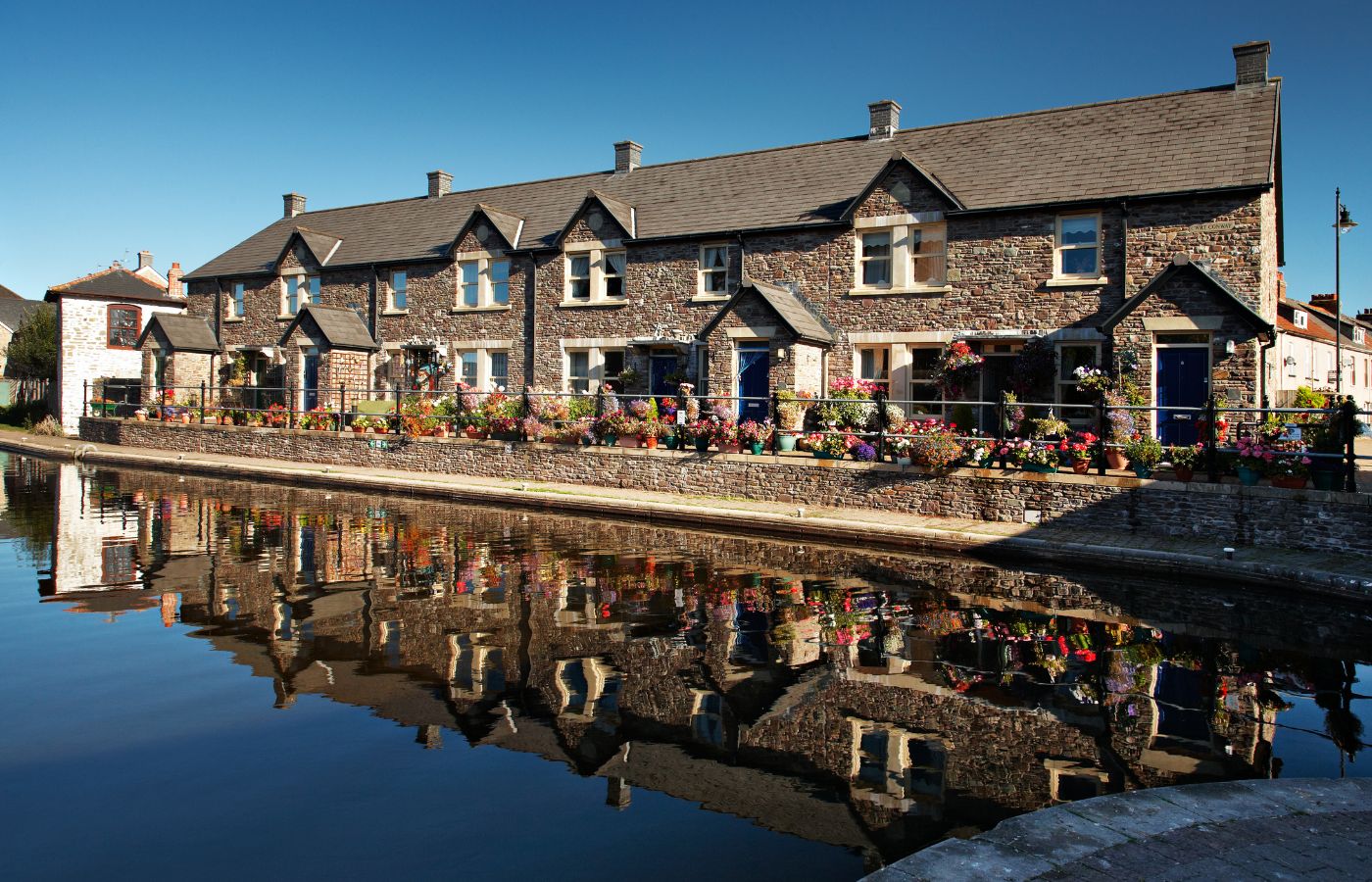
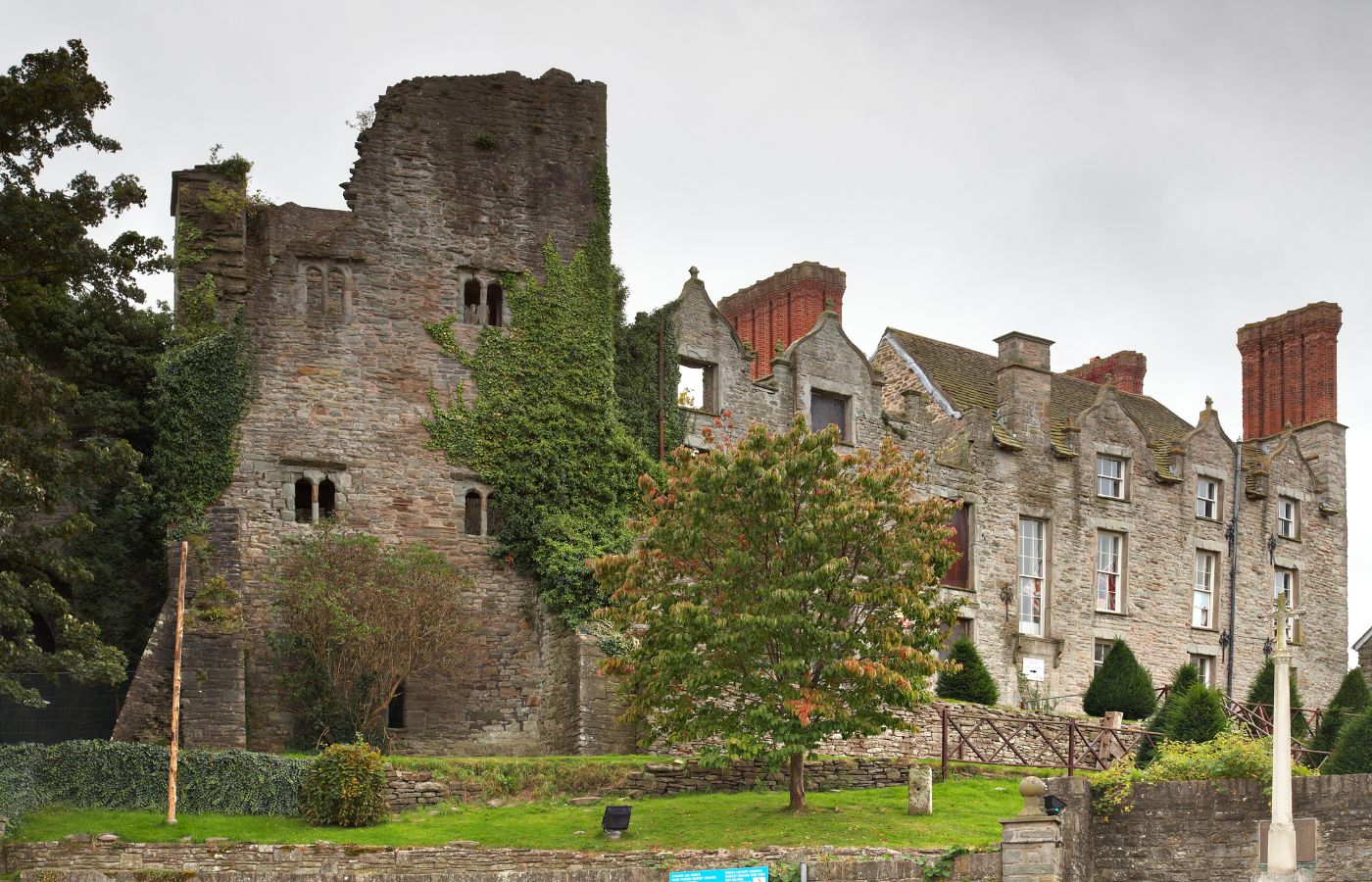
A Local List is an inventory of all the heritage assets that do not appear on any national lists or registers, but which are important to local communities and to the places that we live. These might be buildings, archaeological sites, monuments, places where significant local historical events may have taken place, open spaces or other features, such as milk churn stands, milestones or historical post boxes. Local heritage plays a very important role in our day to day lives, contributing to our quality of life, our identity and our sense of place and community.
The importance
The Local List helps to celebrate local heritage, highlighting its importance and ensuring that it is valued. It allows local communities to formally identify the heritage assets that hold significance for them, that they value and that they want to see protected and preserved.
Frequently asked questions
- Local Lists give a voice to local communities, helping to formally identify and recognise the heritage assets that are important to them and their area.
- Local Lists celebrate local heritage and ensure that it is appreciated and valued.
- Local Lists ensure that we recognise that there is more to our heritage than those assets of national importance.
- The Local List can confer protection on many elements of the historic environment that would otherwise have no formal recognition or protection.
- Local Lists can help reinforce local character and distinctiveness and ensure that change and development respect the special qualities of an area.
- Local Lists ensure that the value of our heritage assets extends beyond the planning process, and that heritage has its rightful place at the heart of what makes our communities interesting and pleasant places to live.
- Local Lists encourage the owner of a site or building, and the local community, to preserve its special qualities and help to ensure its long-term survival.
Local communities will be consulted on what heritage assets are included on the Local List for their area, and local people can nominate heritage assets that they would like to be included on the List. A heritage asset can be included on the Local List if it meets any of the agreed criteria. These are:
- Historic Interest
- a) Does this relate to an important aspect of local social, religious, political, or economic history?
- b) Is it historically associated with an important local feature?
- Historic Association
- a) Is it closely associated with: famous local people, local history events, strong community or social developments (must be well documented)?
- b) Does it relate closely to any statutory protected structure or site?
- Architectural & Design Merit
- a) Is the surviving building/structure/park or garden the work of a particular architect or designer which illustrates local or regional history or design?
- b) Does it show qualities of age, style or distinctive characteristics relative to the area?
- c) Does the architectural design, details and construction materials add to the local character of the area?
- Survival
- a) Does it remain in a substantial and recognisable from?
- b) Does it retain its historic features and layouts?
- c) Does it represent an important element in the development of the area?
- Townscape Merit
- a) Does it represent an important visual amenity locally? For instance, does it create interesting visual impact in an area or make a landmark?
- b) Is it a notable building (s) on an important route into the area, which creates a vista or contributes to the skyline? Does it emphasise corner sites or provide focal points in the townscape?
- Biodiversity
- a) Buildings that provide habitat/protection and encourage biodiversity.
Currently there are three Local Lists within the National Park, for Brecon, Talgarth and Hay-on-Wye.
Any works which will impact on the character of a Listed Building or any features of special architectural or historic interest, or involve loss of fabric, f are likely to require Listed Building Consent. Even something as minor as replacing a window or inserting a new flue may require Consent.
General maintenance or repair carried out in a ‘like for like’ manner (that means using identical materials and design) may not require consent. It is best to check with the National Park Authority first, as it is a criminal offence to carry out any works which would have required consent, without first gaining that consent.
As the law is complex, if you are in any doubt as to whether the works you intend require consent please contact the Bannau Brycheiniog National Park’s Heritage (Building Conservation) team on the details below.
Although there are no additional statutory controls over properties included on the Local List, the Authority will encourage owners to preserve the special qualities that have resulted in their inclusion. Under the present Local Development Plan, the protection of buildings identified on the Local List is covered by Policy 18: Protection of Buildings of Local Importance.
Lorem ipsum
Slide 2
Slide 1
Slide 3